

Anti acne facial what to expect usually comes down to a calm, structured appointment: cleanse, gentle exfoliation, pore softening, careful deep cleansing, then soothing and barrier support. A professional anti-acne facial is designed to reduce congestion and calm the look of reactive, breakout-prone skin without over-stripping it.
This guide walks you through a realistic, step-by-step session flow, what sensations are normal, how much downtime to plan, and how to prepare so you get the best possible outcome from a professional treatment.
What an anti-acne facial is (and what it is not)
An anti-acne facial is a professional, non-invasive treatment that focuses on surface buildup, clogged pores, excess oil balance, and visible inflammation support. It typically combines cleansing, controlled exfoliation, optional extractions, and calming steps that protect the skin’s barrier.
An anti-acne facial is not a medical treatment for acne. It cannot “cure” acne, and it is not a substitute for dermatologist care when acne is severe, painful, widespread, or scarring. A facial can still be a helpful part of a long-term plan when it is done gently and consistently.
Who this treatment is for
An anti-acne facial is usually a good fit for people who get frequent breakouts, clogged pores, or a rough, uneven texture that feels hard to manage at home. It can also suit people who feel their skin is congested from heavy SPF, makeup, workouts, or city exposure.
- Good match: blackheads and whiteheads, oily or combination skin, visible congestion, occasional inflamed spots, post-breakout dullness.
- Also common: adults with stress-related breakouts and people who want a structured, professional reset without harsh peeling.
Who should be cautious or postpone
Some situations require a simpler approach or a pause. A cautious plan protects your barrier and reduces the risk of prolonged redness.
- Very sensitized skin: burning, stinging, or widespread irritation at baseline often needs barrier-first care before deep cleansing.
- Strong actives recently: if you have been using retinoids, strong acids, or benzoyl peroxide daily and your skin feels tight or flaky, tell your therapist so the session can be adjusted.
- Medical concerns: cystic, painful acne, infection-like symptoms, or sudden changes should be evaluated by a dermatologist.
In practice, the safest professional sessions are the ones that match your current skin condition on the day, not the plan you had in your head when you booked.
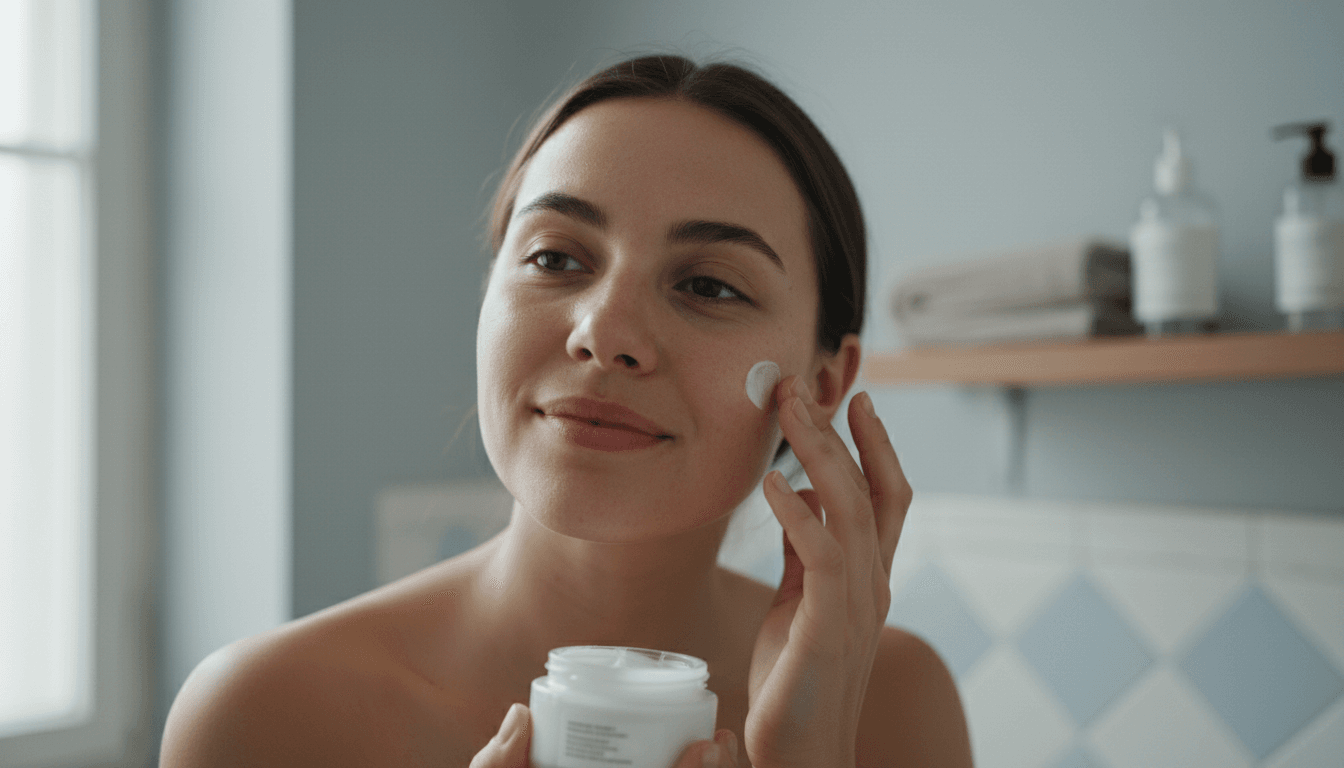
Anti acne facial what to expect: the step-by-step session flow
Most professional anti-acne sessions follow a predictable structure. The exact products and devices vary, but the logic is consistent: soften buildup, clear pores carefully, then calm and protect.
Step 1: Consultation and quick skin check (2 to 5 minutes)
A calm anti-acne facial starts with a short check-in. Your therapist should ask what you are using at home, what your skin reacts to, and what your main concern is today (oil, congestion, inflamed spots, sensitivity, or post-breakout marks).
A common mistake we see is clients under-reporting actives because they feel they “should” be using them. Your therapist needs the full picture to keep the session comfortable and safe.
Step 2: First cleanse and makeup or SPF removal (3 to 5 minutes)
The first cleanse removes surface oil, sunscreen, and makeup so the rest of the steps work properly. In a professional skincare setting, cleansing is usually more thorough than at home, but it should still feel gentle.
If you live in Budapest, harder tap water can sometimes leave the skin feeling tight after rinsing. A good professional cleanse compensates with gentle formulas and immediate hydration steps, rather than aggressive scrubbing.
Step 3: Controlled exfoliation (5 to 10 minutes)
Exfoliation in an anti-acne facial is meant to loosen dead skin cells that trap oil in the pore. Many professional protocols use enzyme-based exfoliation or carefully chosen acids depending on sensitivity and breakout type.
You may feel mild tingling. You should not feel sharp burning. If it stings strongly, say so immediately so the formula can be removed or adjusted.
Step 4: Steaming or warm compress to soften congestion (5 to 10 minutes)
Heat and moisture can help soften sebum and make deep cleansing more comfortable. Some clients love steam, while others with reactive skin do better with a warm compress approach.
This step is about comfort and preparation. It is not meant to “open pores” permanently. Pores do not open and close like doors, but warmth can make extractions easier and less traumatic.
Step 5: Deep cleansing and extractions (10 to 20 minutes)
Extractions are the part most people worry about when they search anti acne facial what to expect. A professional extraction should be selective and controlled. The goal is to clear what is ready to come out, not to force every pore.
- What it feels like: pressure and brief discomfort in congested areas, especially around the nose and chin.
- What is not normal: intense pain, repeated digging, or widespread broken skin.
- What a calm professional approach looks like: fewer passes, good lighting, clean technique, and stopping when the skin starts to look stressed.
Many clients notice their skin looks cleaner and smoother right away, but some temporary redness is normal. Results vary depending on how congested the skin was and how reactive it is.
Step 6: Soothing and anti-inflammatory support (10 to 15 minutes)
After deep cleansing, the skin usually needs calming steps. This is where professional masks and soothing serums matter. The goal is to reduce the look of redness, support comfort, and help the skin settle.
In practice, this step is what separates a “scrub and squeeze” experience from a professional anti-acne facial. Skin that is soothed properly is less likely to feel tight and irritated later.
Step 7: Optional devices (High Frequency and LED) (5 to 15 minutes)
Some professional anti-acne sessions include devices like High Frequency and LED therapy. These tools are typically used to support a cleaner-looking complexion and calm the appearance of inflamed areas.
- High Frequency: often feels like warmth or a mild buzzing sensation. It should not feel painful.
- LED therapy: should feel relaxing and gentle. You wear eye protection, and there is no heat in most cases.
Devices are supportive, not magical. They work best as part of a consistent plan that includes barrier-friendly home care.
Step 8: Barrier support, moisturizer, and SPF (3 to 5 minutes)
Finishing products matter because acne-prone skin can be oily and still dehydrated. A good finish feels comfortable, not greasy or tight. SPF is important because freshly exfoliated skin can be more sun-sensitive.
If you are treating acne marks or post-breakout discoloration, daily sunscreen is one of the most practical steps you can take. It supports more even-looking tone over time.
What you may feel during the session
A calm anti-acne facial should feel structured and controlled. You might feel warmth during steam, mild tingling during exfoliation, and pressure during extractions. You should not feel intense burning, sharp pain, or panic-level discomfort.
Many clients find the soothing mask and finishing steps are deeply relaxing, even if extractions were mildly uncomfortable. Comfort is a quality marker because skin that feels safe tends to recover more smoothly.
What your skin may look like after (downtime and recovery)
Right after an anti-acne facial, mild redness is common, especially in extraction areas. Some people also see slight swelling around the nose or chin that fades within hours. Makeup is usually best avoided the same day if possible.
Occasionally, a few small spots can come to the surface in the days after. This is not always “purging.” It can be normal post-extraction settling, or it can be irritation if the session or aftercare was too aggressive. If your skin becomes increasingly sore or inflamed, simplify your routine and seek professional guidance.
Aftercare basics for acne-prone skin (first 48 hours)
Aftercare is about keeping the skin calm and protected while it rebalances. The first two days are when overdoing actives causes the most regret.
- Keep cleansing gentle: use a mild cleanser and lukewarm water. Avoid scrubs and cleansing brushes.
- Pause strong actives: consider pausing retinoids, exfoliating acids, and benzoyl peroxide for 24 to 72 hours, depending on sensitivity.
- Moisturize for comfort: choose a non-heavy moisturizer that supports the barrier.
- Wear SPF daily: especially if you had exfoliation or extractions.
- Hands off: do not pick at pores that look “almost ready.”
If Budapest winter air feels drying and windy, barrier support is even more important after a deep cleansing session. If summer heat and sweat trigger congestion, focus on gentle cleansing and consistent SPF removal at night.
How often to get an anti-acne facial
Frequency depends on congestion level, sensitivity, and how consistent your home routine is. Many people do well with a professional anti-acne facial every 3 to 6 weeks at the start, then less often for maintenance.
More frequent is not always better. Skin that is repeatedly over-exfoliated often gets more reactive, which can look like “more breakouts” even when the issue is irritation.
Common mistakes that reduce results
- Over-exfoliating at home before the appointment: it increases sensitivity and limits what can be done comfortably.
- Expecting every pore to be cleared in one visit: professional results are usually cumulative and safer when paced.
- Skipping moisturizer because skin is oily: dehydration can increase the look of oiliness and reactivity.
- Using harsh spot treatments right after: this often prolongs redness and dryness.
How this fits into an acne plan in Budapest
A professional anti-acne facial is usually most helpful when it is part of a wider plan: gentle daily cleansing, consistent SPF, and targeted actives used at a pace your skin tolerates. If you are comparing options locally, it helps to understand the difference between a deep cleansing session, a device-focused glow treatment, and an acne-specific protocol.
For a broader overview of local options and how to choose based on your skin type, see the pillar guide: Acne Treatment in Budapest: Professional Facial Options for Acne-Prone Skin. That page explains how professional facial styles differ and when each one tends to make sense.
What a calm professional anti-acne treatment looks like in practice
A calm professional session prioritizes skin condition over intensity. The therapist adjusts pressure, limits extractions, and spends real time on soothing and barrier support. The goal is a clearer-looking complexion with minimal stress to the skin.
If you feel rushed, overly scraped, or pushed into discomfort, that is not a quality signal. A good session feels deliberate and respectful of your skin’s limits.
Optional: a real example of an acne-focused session structure
If you are looking at professional menus, an acne-focused protocol often includes cleansing, enzymatic and pore-clearing exfoliation, soothing masks, and supportive devices. For example, the Anti-Acne Facial Treatment (95 min) at Budapest Skincare includes facial cleansing, enzymatic and pore-cleansing peeling, cleansing serum and soothing mask, vitamin C serum, oil-balancing mask, barrier cream, sun protection, High Frequency device, and LED therapy.
That structure reflects a calm, professional approach: clear what is appropriate, then calm and protect. The best choice still depends on sensitivity, current breakouts, and what you use at home.
FAQ
Anti acne facial what to expect: will extractions leave marks?
Mild redness right after extractions is common. Pinpoint marks can happen, especially if the pore was very congested, but they should not be widespread or severe after a careful session. Picking at home is a bigger risk for lingering marks than a controlled professional extraction. If you mark easily, ask for a gentler approach and fewer extractions.
How should I prepare before booking an anti-acne facial?
Arrive with a clear list of what you use at home, including retinoids, acids, benzoyl peroxide, and prescription products. Avoid strong exfoliation, new products, and self-extractions for several days beforehand if you can. If you have an important event, book at least a few days in advance so any temporary redness can settle.
If you want the most personalized experience, a short consultation-style check-in before the session helps set the right intensity. In practice, the best results come from matching the treatment to your skin on that specific day.
An anti-acne facial is a structured, non-invasive professional session that focuses on gentle exfoliation, careful deep cleansing, and calming barrier support. The most realistic expectation is gradual improvement in congestion and skin comfort with consistent care. A calm approach usually gives the skin the best chance to look clearer without unnecessary irritation.
